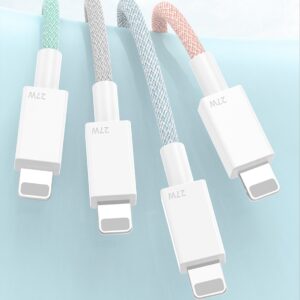
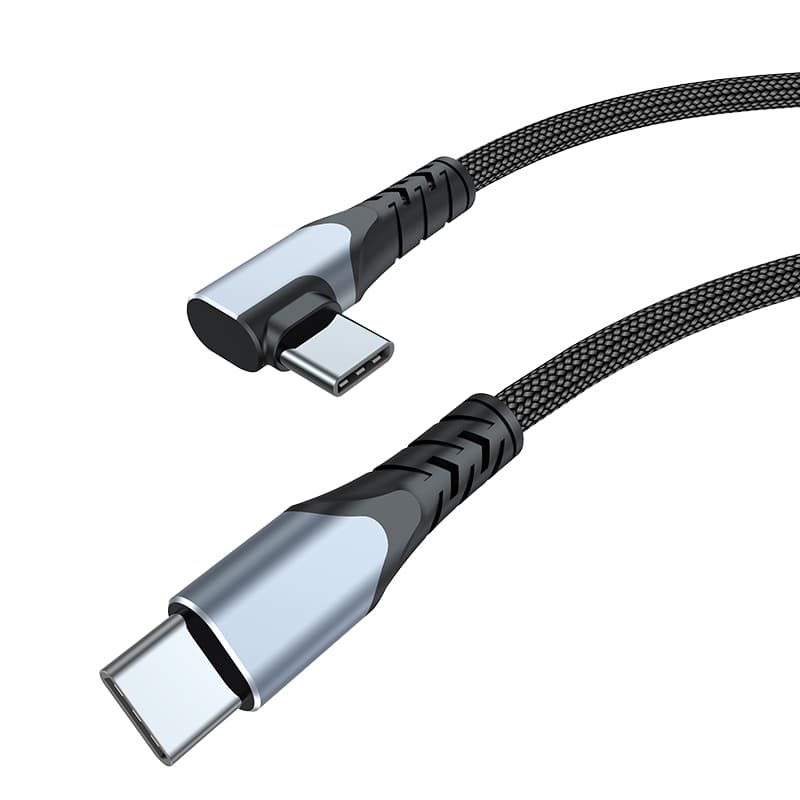
Are you tired of stocking multiple cables for different fast-charging standards? This confusion costs you time, shelf space, and ultimately, sales.
A full-protocol charging cable is a data cable designed to be compatible with almost all fast-charging protocols, including popular ones like QC and PD, as well as proprietary super-fast protocols from brands like Huawei, OPPO, VIVO, and Xiaomi, allowing super-fast charging for various devices with a single cable.
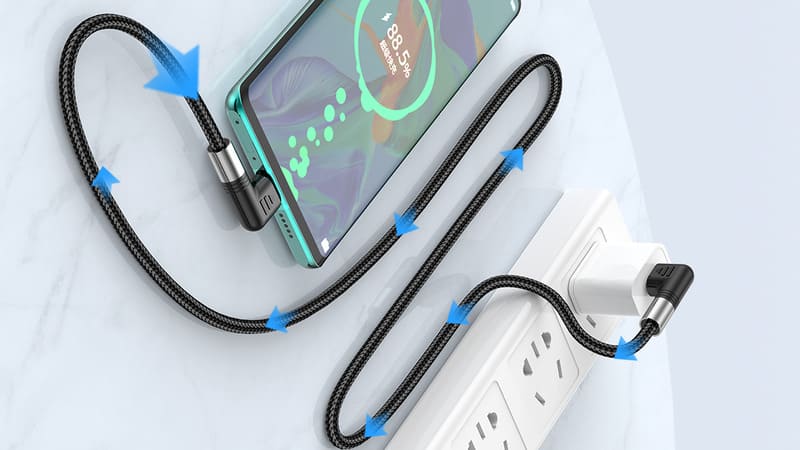
I remember when I first started in procurement; the sheer volume of different charging cables was a nightmare. Now, imagine simplifying that inventory down to one core product. That is the promise of the full-protocol cable, and it is a game-changer for businesses like yours, especially when dealing with quality-sensitive markets like the UK. We need to look closely at how this technology impacts your retail strategy and operational flow, so let's dig into the details.
Why is Universal Compatibility a Game-Changer for 3C Retailers?
Stocking different cables for every phone brand's fast-charging protocol is a massive headache. Does your current inventory system cause confusion?
Universal compatibility simplifies inventory management by reducing the number of different SKUs a retailer needs to stock, which lowers warehousing costs, reduces dead stock risk, and ensures customers only need to buy one type of high-speed cable to meet all their fast-charging needs.
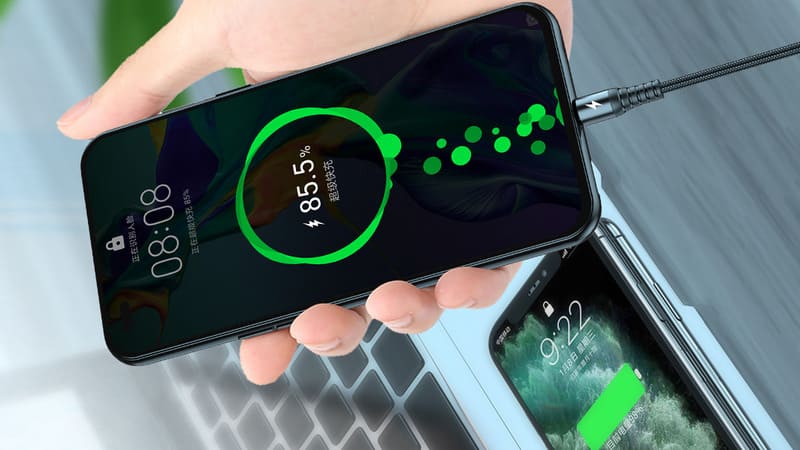
I know from working with many clients that managing inventory is a key pain point. When I was a procurement specialist, I saw firsthand how quickly shelf space could get complicated. Think about this: most fast-charging cables today only handle common protocols like Qualcomm Quick Charge (QC) or USB Power Delivery (PD). This means they can only give phones from Huawei, OPPO, or Xiaomi a basic fast charge, not the Super Fast Charging the user wants. The customer then has to buy that phone's original cable to get the best speed. This forces you, the retailer, to stock many specialized cables. A full-protocol cable changes this whole picture. It supports all of them—QC, PD, and those special protocols. This means you do not need 10 different types of cables; you might only need two or three core SKUs. This reduces your capital tied up in inventory. I see this move as essential for companies that are sensitive to both quality and competitive prices, like Mark's business in the UK. Fewer products to track means less chance of inventory mistakes, and it also makes staff training easier. The table below shows the clear benefits for your business model.
| Feature | Standard Fast Charge Cable | Full-Protocol Cable | Advantage for Retailers |
|---|---|---|---|
| Protocol Support | Only QC/PD or one proprietary | QC, PD, Huawei SCP/FCP, OPPO VOOC, etc. | One SKU covers all major brands. |
| Inventory Count | High (need one for each brand's super-fast) | Low (one type is mostly enough) | Lower warehousing cost and complexity. |
| Customer Experience | Can only reach basic fast charge on some phones | Can reach Super Fast Charge on all phones | Higher perceived quality and fewer returns. |
| Shelf Display | Crowded, confusing to customers | Clean, easy for customers to choose | Better visual appeal and faster sales. |
The key is that you are solving a major user pain point: only needing one cable for all phones. This high value proposition allows you to maintain a good margin while still offering a very competitive price point compared to buying multiple original cables.
How Does Full-Protocol Support Relate to Cable Material Quality and Certification?
Can a single cable really handle all that power without failing quickly? You are right to worry about quality, especially with multiple protocols involved.
Achieving full-protocol support requires superior internal components, including a smart E-Marker chip and thicker, higher-quality copper wiring, which directly relates to the cable’s ability to handle the necessary power load, making material quality and rigorous testing, like the 6 tests we do, non-negotiable for reliable performance and certification.
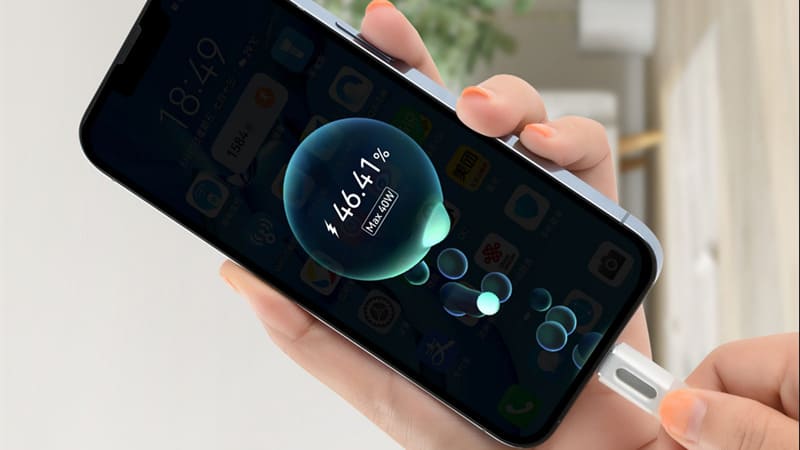
When we decided to develop a full-protocol cable, the challenge was not just software—it was hardware. To successfully communicate with so many different protocols and safely deliver the higher current needed for "Super Fast Charging," the cable needs much better materials than a basic one. First, the E-Marker chip inside the connector must be highly advanced. This chip is the "brain" that negotiates the correct voltage and current with the phone and the charger. If it is low quality, it can fail the negotiation, leading to slow charging or, worse, safety issues. Our cables use a certified E-Marker chip to ensure this communication is perfect every time. Second, the cable's actual copper wire must be thicker and purer. High-speed charging means more heat and higher power delivery. A thin or poor-quality wire cannot handle this thermal load, which leads to slower speeds over time or, in extreme cases, the cable melting or catching fire. That is why we use robust materials like aluminum braiding and high-purity copper.
I learned early on that faked certificates are a big pain point for buyers like you. This is why our focus is on comprehensive testing and real, verifiable certification. Before any product leaves our Dongguan factory, it passes six tests, including high and low-temperature testing and salt spray testing. These go beyond simple function tests. The full-protocol ability is complex, and passing tests like CE, FCC, and ETL is much harder for these cables because they must prove compliance across all supported power levels. This rigorous process is what lets us give you a product that not only works but also gives you the confidence to distribute it in a quality-sensitive market like the UK without fear of returns or legal problems. Our commitment to these details means we are not just giving you a cable; we are giving you a reliable piece of technology that will build your brand's reputation for quality.
Why Does Full-Protocol Charging Demand Better Communication and Logistics from Your Supplier?
You have experienced the pain of late shipments and poor communication with suppliers. Does adding complex technology make these problems worse?
Due to the complex technology and required certifications, full-protocol cables demand clear, efficient communication with your supplier to specify exact protocol needs and robust logistics planning to prevent missed selling seasons, which relies on a supplier's internal system quality, like our ISO-certified management, to guarantee timely delivery.
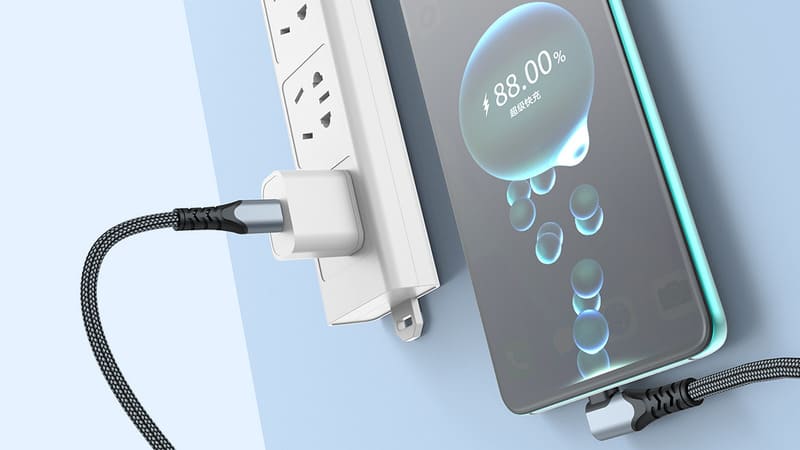
I have often heard the complaint: "The sales rep just did not understand what I needed." I know that inefficient communication and delayed shipments are major pain points for global buyers. When you deal with a simple QC-only cable, the specifications are straightforward. But when you move to full-protocol cables, the complexity increases a lot. We need to talk about exact things. For example, which specific phone models from VIVO or Huawei do you need to cover? Do you need a USB-A to USB-C or a USB-C to USB-C version? The choice of the internal E-Marker chip changes based on these needs. If a supplier's sales team cannot clearly document and communicate these technical requirements back to the production line, you will get the wrong product, causing massive delays and missed selling seasons. My goal is to use my background to fix this. My team is trained to be customer-oriented and to practice open collaboration to ensure your custom requirements—logo, packaging, and technical specs—are correct the first time.
Also, logistics for a complex product can get messy fast. A delayed shipment, as you know, can ruin a selling season. Our factory uses ISO9001 and ISO14001 management systems. This is not just a badge; it means we have a strict process for everything from ordering raw materials to the final inspection and shipping documentation. This system is crucial for full-protocol cables because the necessary components are more specialized and sometimes harder to source quickly. Our systematic approach helps us anticipate and avoid bottlenecks. When we commit to a 300,000 unit monthly capacity, that is based on a process that minimizes delays. This commitment to efficiency first and a structured system is what lets us guarantee the smooth and timely delivery of your customized, certified, full-protocol product, helping you avoid the costly delays you have faced before.
Conclusion
A full-protocol cable simplifies your inventory, boosts your product's quality perception, and requires a supplier with top-tier material quality and streamlined logistics.