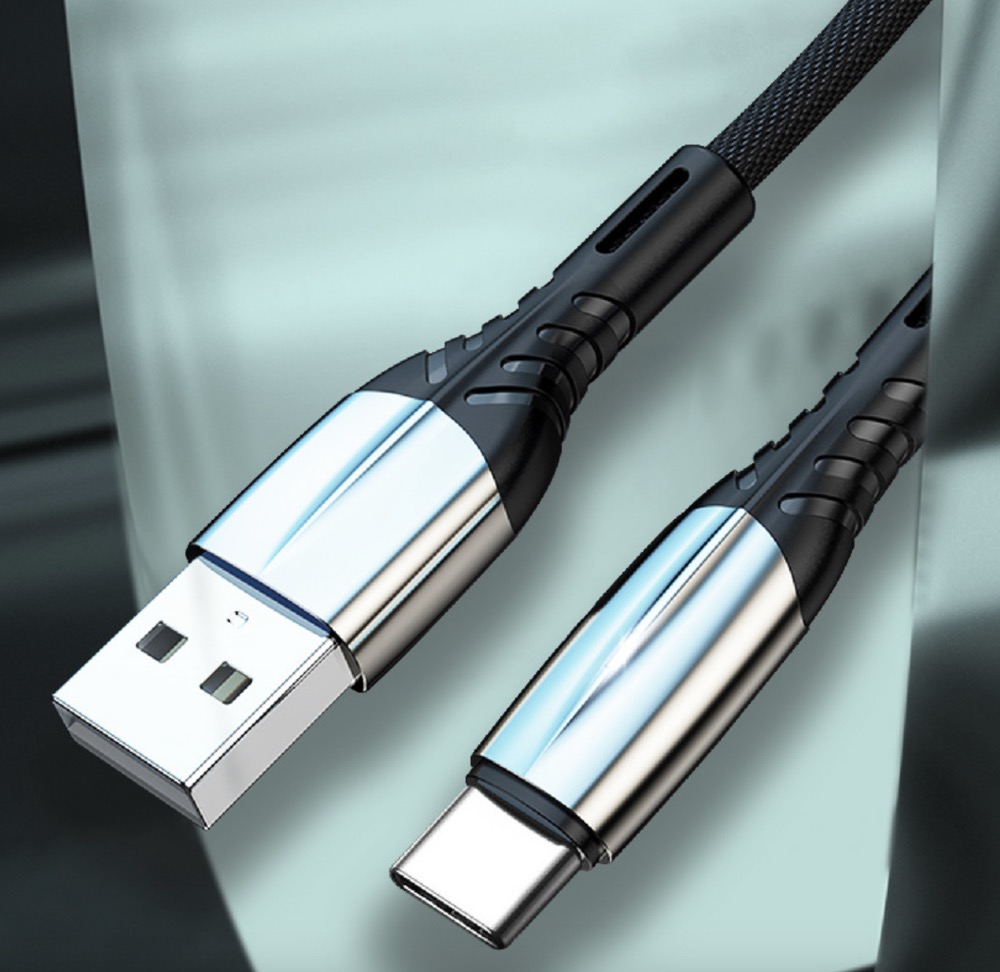
When something looks too cheap to be true, it usually is. Many importers learn this the hard way when low-cost USB cables turn into costly problems.
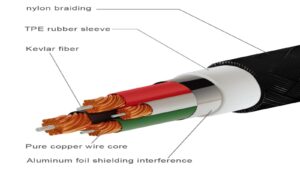
Cheap USB cables often fail because manufacturers cut corners on materials, copper quality, and safety components to meet unrealistic price targets. These shortcuts lead to overheating, short lifespan, and safety risks.
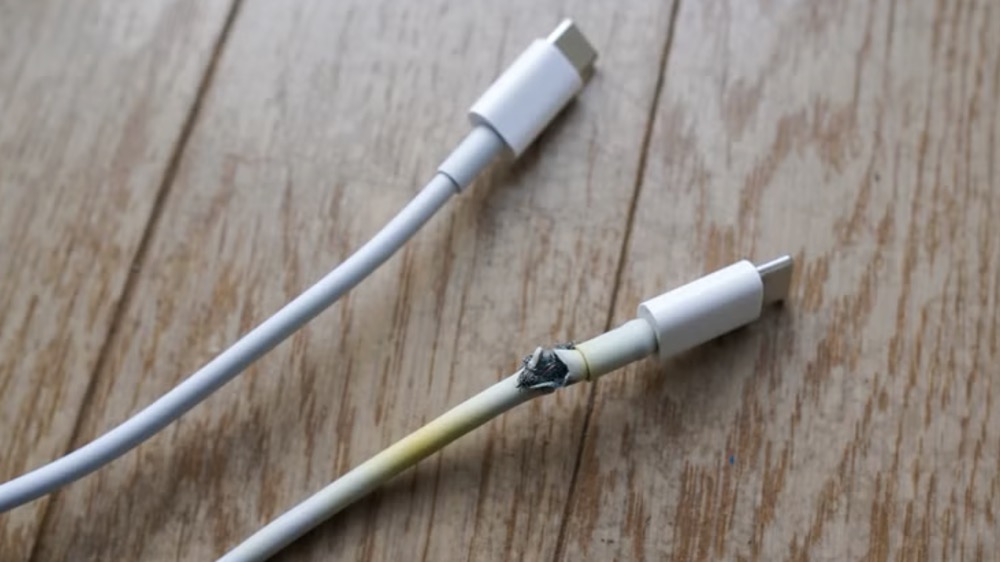
When I first entered the USB cable market, I was amazed by the number of suppliers offering cables for under 1 RMB. It sounded like a great deal. But once I learned how those prices were achieved, I realized they came with hidden costs — both for importers and for end users.
Top 7 Quality Issues Importers Face When Buying USB Cables — and How to Avoid Them?
A low price tag often hides serious quality flaws1 that show up only after shipping or after customers start using the product.
Most USB cable problems—such as overheating, cracking, or poor charging—come from material downgrades2 or skipped production steps. Working with verified suppliers and proper QC checks can prevent these issues.
Dive deeper into common issues and their causes
| No. | Problem | Common Cause | Recommended Solution |
|---|---|---|---|
| 1️⃣ | Insufficient current or voltage drop | Too few or thin copper strands | Use thicker pure copper conductors |
| 2️⃣ | Cable jacket cracking | Low-grade PVC or recycled material | Use flexible PVC or braided nylon |
| 3️⃣ | Aluminum shell detaching | Weak adhesive bonding | Apply in-mold injection molding |
| 4️⃣ | Terminal breakage | Poor connector structure | Reinforce with dual injection molding |
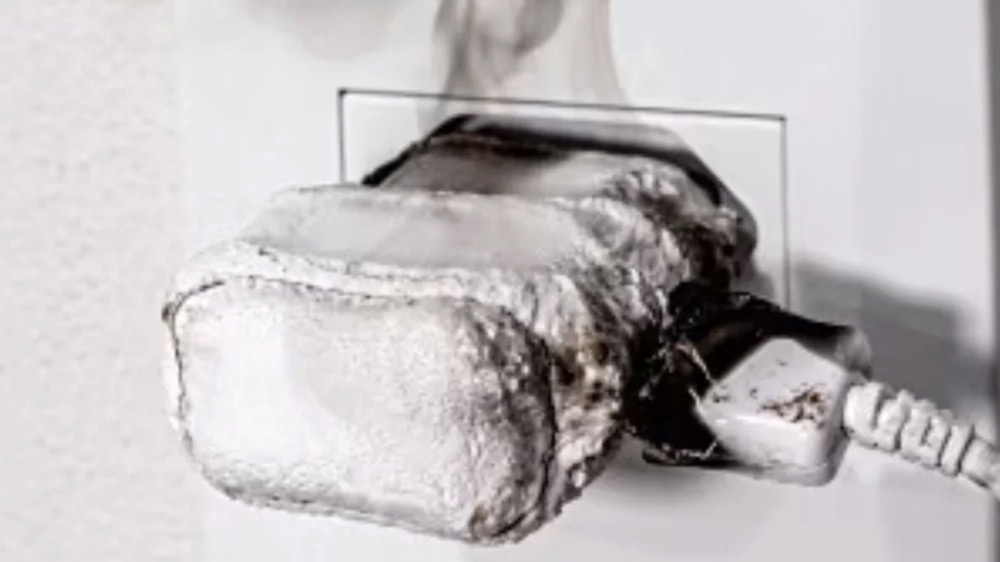
| 5️⃣ | Plug overheating | Alloyed or mixed copper | Use high-purity copper wires |
| 6️⃣ | No charging | Broken inner wires or no anti-bending fibers | Add more copper strands and strain relief |
| 7️⃣ | Signal interference | Missing shielding layers | Use aluminum foil and braided shielding |
Each of these issues might sound small at first, but they add up fast. A cable that overheats or stops working can damage phones, waste time in after-sales replacements, and destroy trust with customers. I once had a UK buyer who purchased “bargain” cables elsewhere. After several of his customers complained about melted connectors, he had to replace dozens of phones — losing both profit and credibility overnight.
How to Check CE and RoHS Certificates Before Importing USB Cables?
Many importers assume that if a supplier sends certificates, everything is fine. But not all certificates are real — or even valid for the actual products.
Before importing, always verify CE and RoHS certificates3 by checking their authenticity, matching test reports to the exact product model, and confirming the issuing lab’s accreditation.

Dive deeper into certificate verification
Many factories present old, reused, or unrelated certificates to make their products appear compliant. Real compliance requires that the certificate test report includes your actual product name, model, and test date. I have seen importers lose entire shipments because customs questioned false documentation.
Here is a simple method I use:
- Check the issuing lab — Make sure it’s an accredited third-party organization (like TUV, SGS, or Intertek). You can confirm this by visiting the lab’s official website.
- Match the product model — The model listed on the certificate must match the one you are importing. If not, it’s invalid.
- Verify report numbers online — Most labs allow you to enter the certificate number for validation.
- Request the full test report — A genuine certificate always includes detailed test data and the date of issue.
- Check the expiry date — Compliance reports are usually valid for only one to two years.
Following these steps can help you avoid customs holds4, fines, or shipment destruction. A few minutes of checking can prevent major losses later.
Conclusion
Cheap cables may save a few cents upfront, but hidden costs — including returns, replacements, and brand damage — are far greater. Always verify materials, certificates, and supplier reliability to protect your business in the long run.
Discover the typical quality issues in USB cables that can lead to performance problems. ↩
Understand how material downgrades can affect the performance and safety of USB cables. ↩
Find out how to properly verify CE and RoHS certificates to ensure product compliance. ↩
Get insights on customs holds and how proper documentation can prevent shipment issues. ↩